
Lost Wax Casting
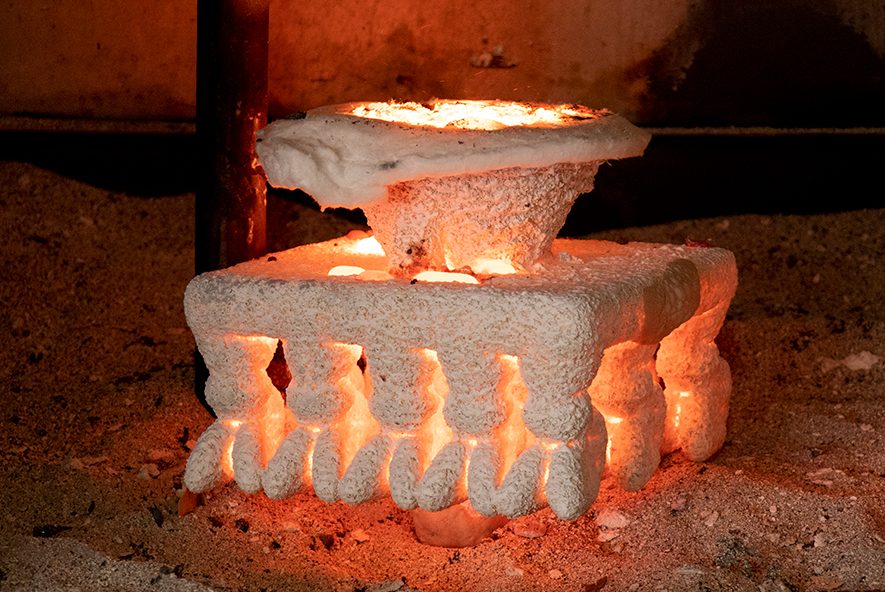
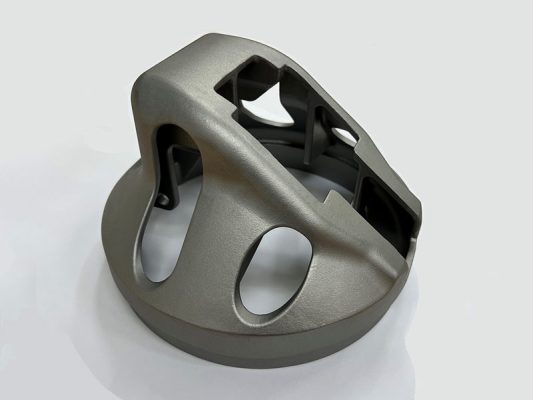
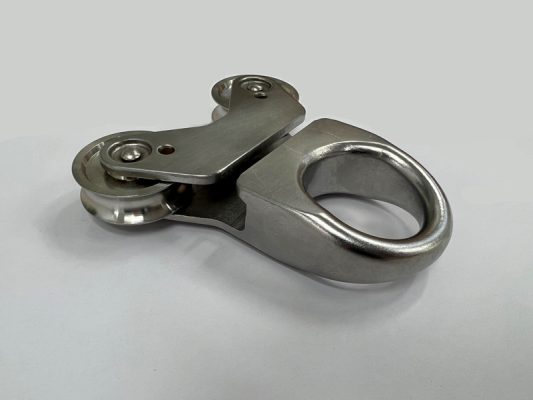
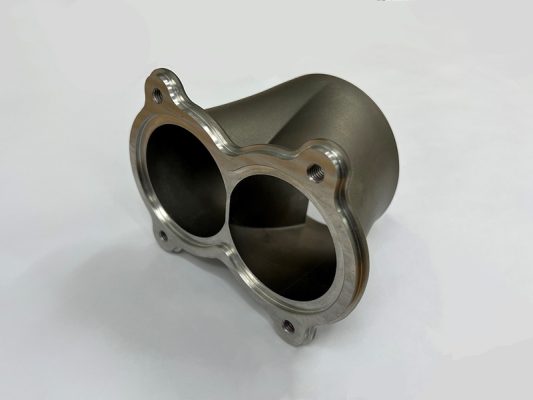
Lost wax casting is extremely versatile, cost effective and is excellent for creating complex components where fine detail and dimensional accuracy are required. Lost wax casting or Investment casting also reduces or totally eliminates the need for costly machining operations. Additionally, as several parts can be made as one casting, the time and cost involved for subsequent assembly is removed. This provides numerous advantages and flexibility for engineers and designers and can be a great alternative to other manufacturing processes. Complex shapes can be formed and minimal surface finishing is thus required for the parts and various metals and alloys can be used within the process.
How long has the lost wax process been around?
Investment casting – using the lost wax casting development technique (this reference term is due to the wax that is used in this methodology) – is one of the oldest casting methods known dating back over 5,000 years. Examples of lost wax casting in history are in producing jewellery and statues which can be traced back with use of natural waxes.
Lost Wax casting or Investment Casting can be integrated with a variety of metals and alloys such as carbon steel, stainless steel, aluminium, brass, bronze, copper, zinc and superalloys such as Inconel and Hastelloy.